
Contact Us
181 2883 6688
sunny.lin@hanyueint.com
2501,Block A,Building 3,Hengmingwan Chuanghui Center,Longcheng Street,Longgang District,Shenzhen
Recent developments have brought new changes to European logistics operations. Following previous labor actions at ports in Germany and the Netherlands, inland rail transportation across Europe continues to face certain uncertainties. On September 9, a nationwide public transport strike took place in the Netherlands, with widespread suspensions affecting railways, buses, metros and trams. Services in Rotterdam, Amsterdam and cross-border rail connections were impacted. The disruption may affect rail container transportation between the Port of Rotterdam and inland destinations in the Netherlands, Germany and other European regions, as well as the connection of certain cross-border rail services. It should be noted that the action mainly affected the Dutch railway and public transport systems and does not mean that operations at the Port of Rotterdam terminals were fully suspended. However, restrictions on rail connections may cause delays in container pickup and increase pressure on yard operations, trucking arrangements and subsequent deliveries.
European logistics operators have recently highlighted that inland rail transportation in Europe continues to face uncertainty following previous labor actions at ports in Germany and the Netherlands.
Affected by the strike, railway operations within the Netherlands and certain cross-border rail services experienced disruptions. Rail freight services, including trains operating through the Betuweroute freight corridor connecting the Netherlands and Germany, may face cancellations, schedule changes or reduced capacity. Specific impacts should be confirmed based on updates from ProRail, railway operators and logistics providers.
As major Northern European ports such as Hamburg and Rotterdam handle significant volumes of European import cargo, inland rail transportation from ports to distribution areas plays an important role in container delivery. Reduced rail capacity may result in delays in container pickup, increased yard pressure and adjustments to subsequent delivery schedules.
It should be noted that the current impact is mainly concentrated on the rail transportation sector and does not mean that port terminals in Hamburg, Rotterdam or other locations have completely suspended operations. The level of impact may vary depending on the specific port, rail route and cargo type.
For cargo entering Europe through German and Dutch ports, especially shipments involving European DDP services, overseas warehouse replenishment or time-sensitive deliveries, companies should monitor:
Rail service operations;
Container pickup arrangements at destination ports;
Truck appointment schedules;
Inland delivery connections.
If delays occur in the rail transportation process, they may further affect container turnover at ports and last-mile delivery schedules. Under the current changing European logistics environment, monitoring transportation milestones in advance can help companies better plan subsequent delivery arrangements.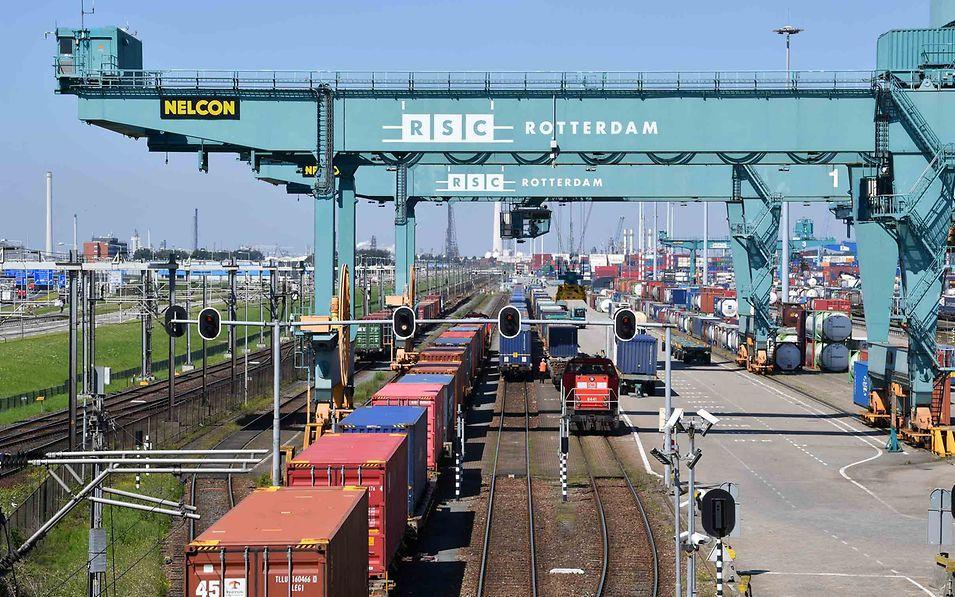
The nationwide public transport strike in the Netherlands on September 9 affected railway operations and cross-border transportation connections, and some rail freight services between the Port of Rotterdam and European inland destinations may experience cancellations, schedule adjustments or capacity changes. The action does not mean that port terminals have completely suspended operations, but limited rail connections may affect container pickup, yard turnover and European DDP last-mile delivery arrangements. For cargo entering the European market through Dutch ports, companies are advised to monitor rail services, truck appointments, destination-port container pickup and final delivery arrangements based on their actual transportation routes. Hanyue International will continue to monitor global logistics developments and provide customers with timely logistics updates and transportation solutions. For specific routes or customized logistics solutions, please contact our customer service team.