
Contact Us
181 2883 6688
sunny.lin@hanyueint.com
2501,Block A,Building 3,Hengmingwan Chuanghui Center,Longcheng Street,Longgang District,Shenzhen
Recent developments in U.S. trade measures and international shipping warrant attention from exporters. The U.S. Department of Commerce has decided to revoke the antidumping and countervailing duty orders on certain walk-behind lawn mowers and parts thereof from China. Meanwhile, with Japan’s “Silver Week” holiday approaching, KMTC will temporarily restrict certain dangerous goods, out-of-gauge cargo and reefer shipments bound for Japan from September 18 to 25. At the same time, global port congestion continues to affect vessel turnaround, while some U.S. import ports are also experiencing varying levels of vessel waiting time.
For companies handling U.S.-bound imports, dangerous goods shipments to Japan, or time-sensitive cargo, continued attention should be paid to the scope of applicable trade remedy orders, cargo-receiving conditions at destination ports, and changes to actual vessel schedules.
The U.S. Department of Commerce published the final results of its sunset reviews in the Federal Register on September 8. The reviews covered the antidumping duty (AD) and countervailing duty (CVD) orders on certain walk-behind lawn mowers and parts thereof from China, as well as the antidumping duty order on the same products from Vietnam.
According to the notice, the Department initiated the first sunset reviews on June 1. Although certain U.S. domestic companies filed notices of intent to participate, no domestic interested party ultimately submitted a substantive response within the required deadline. In accordance with the applicable regulations, the Department therefore decided to revoke the orders.
The revocation decision was formally published on September 8, 2026, with the revocation effective retroactively from July 13, 2026. The Department intends to instruct U.S. Customs and Border Protection (CBP) to terminate the suspension of liquidation for subject merchandise entered, or withdrawn from warehouse, for consumption on or after July 13, 2026, and to discontinue the collection of the corresponding AD/CVD cash deposits. Entries made before July 13, 2026, will continue to be handled under the previously applicable requirements.
Exporters should note that this change is subject to clearly defined product scope and effective-date limitations and should not be interpreted as a broader removal of U.S. AD/CVD measures on other Chinese products. Companies exporting the relevant lawn mowers and parts to the United States should confirm the applicable order status based on the specific product scope, entry date and actual customs declaration circumstances.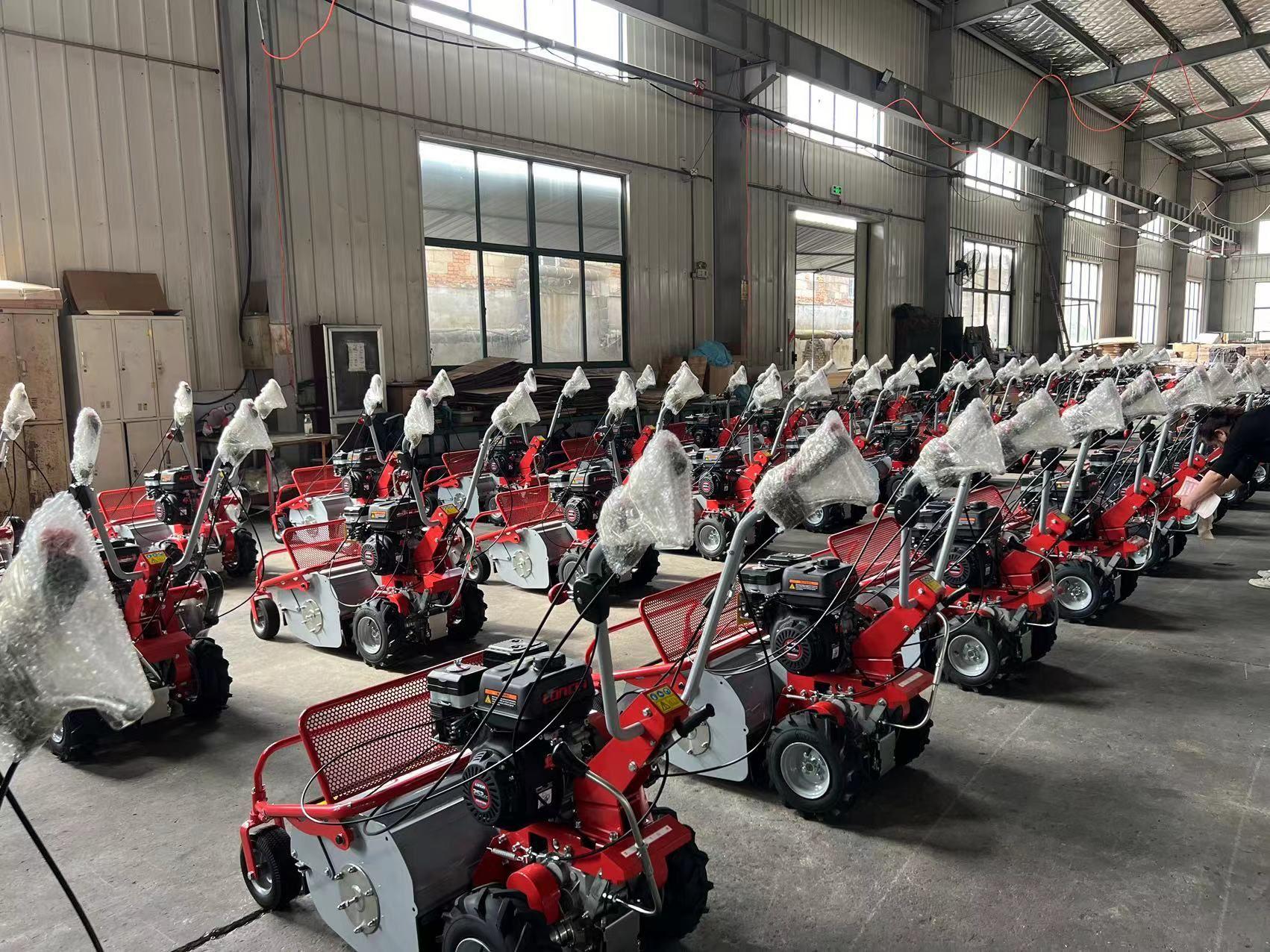
KMTC has announced temporary restrictions on certain dangerous goods (DG), out-of-gauge (OOG) cargo and reefer shipments bound for Japan from September 18 to 25, as port operations are expected to be reduced during Japan’s “Silver Week” holiday period. The specific restrictions vary depending on the destination port in Japan.
Even where certain Japanese ports normally handle such special cargo, holiday operations may still be affected by factors such as terminal gate closure schedules and reduced handling capacity. KMTC also noted that most DG and OOG cargo must be picked up directly by the consignee after discharge, meaning that the destination port’s actual cargo-receiving conditions can directly affect transportation arrangements.
For companies planning DG, OOG or reefer shipments to Japan around the September 18–25 holiday period, it is advisable to confirm destination-port restrictions, terminal operating hours and consignee pickup arrangements before booking. Not all Japan-bound shipments will be affected, and actual requirements should be confirmed based on the specific cargo type and destination port.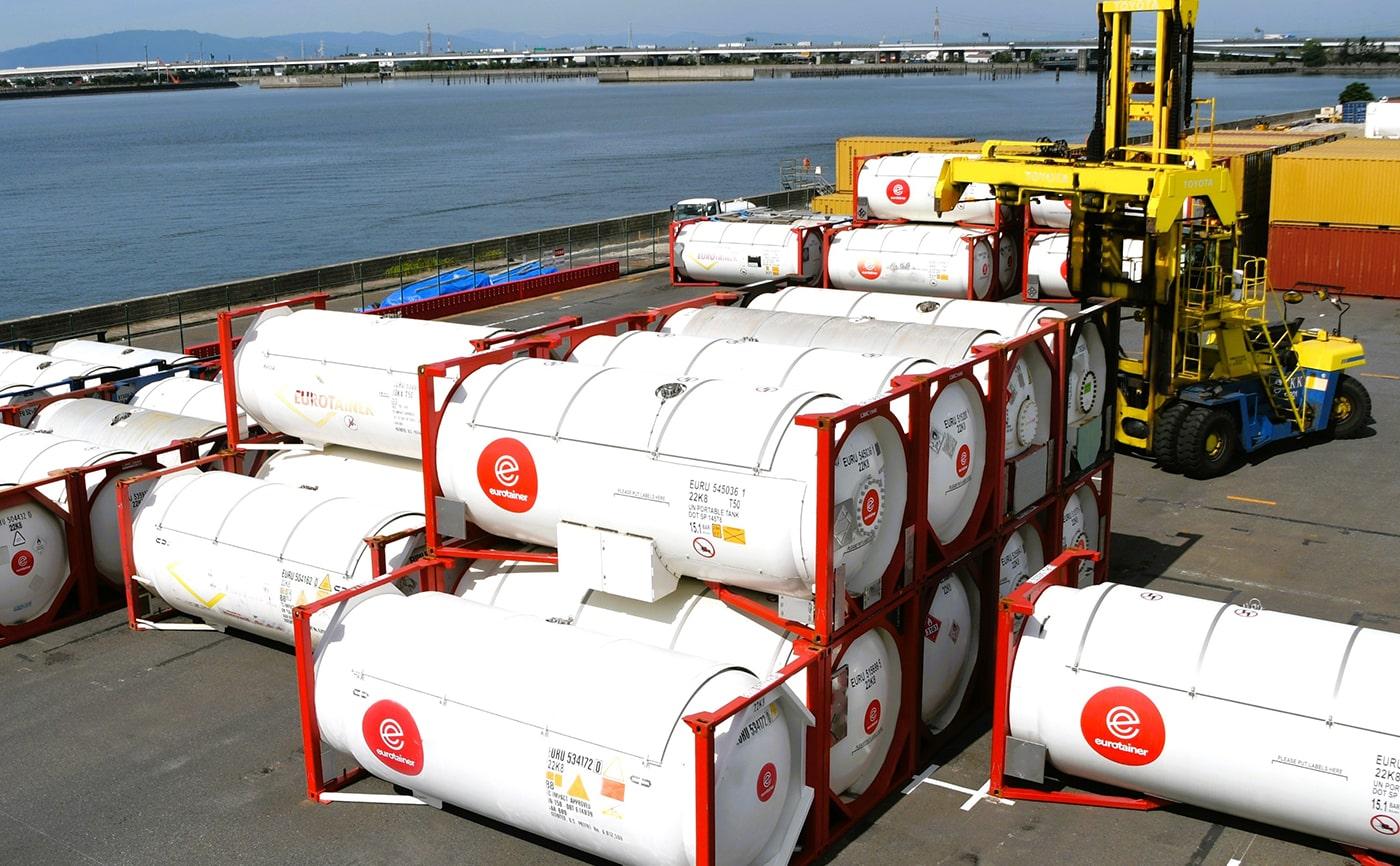
Global port congestion continues to affect vessel turnaround. Recent industry data indicate that close to 4 million TEU of container vessel capacity remains affected by port waiting times and congestion worldwide. In early September, congestion levels at Shanghai and Ningbo remained relatively high. Data show that on September 1, the seven-day average vessel waiting time was approximately 3.45 days at Ningbo and 5.21 days at Shanghai. As of September 3, some vessels at Shanghai Waigaoqiao terminals WGQ2 and WGQ5 were waiting for more than nine days, while waits at Yangshan terminal YS12 exceeded seven days for some vessels. Delays are also spreading to parts of South China and Southeast Asia.
It is important to note that the more than 4 million TEU figure does not mean that this capacity has permanently disappeared from the market. Rather, vessels are temporarily unable to operate at their normal pace because of port waiting times and reduced turnaround efficiency. As a result, even if nominal market capacity has not declined, effective capacity and schedule reliability on certain trade lanes may still be affected.
Conditions at U.S. ports vary by location. According to Hapag-Lloyd’s Week 36 North America operational update, vessel waiting times at Charleston’s Wando Welch Terminal reached up to 18 hours for some non-Gemini services. At the same terminal, Gemini services faced waits of up to approximately six hours. At Savannah’s Garden City Terminal, waiting times for both Gemini and non-Gemini services reached up to approximately 18 hours. At Houston’s Barbours Cut and Bayport terminals, vessel waiting times were up to around three hours. At APM Terminals Pier 400 in Los Angeles, some services experienced waits of up to approximately 12 hours. At the same time, ports including New York, Miami, Seattle and Tacoma reported no significant vessel waiting times. The more accurate picture, therefore, is one of localized delays at certain ports and terminals rather than system-wide congestion across U.S. ports.
For time-sensitive cargo departing from Shanghai or Ningbo, or destined for the United States, shippers should monitor actual sailing and berthing conditions based on the specific carrier, service and terminal involved. Scheduled ETA can still be used as a planning reference, but where port waiting times remain elevated, allowing additional transit buffer may help reduce the impact of localized delays on subsequent container pickup and delivery arrangements.
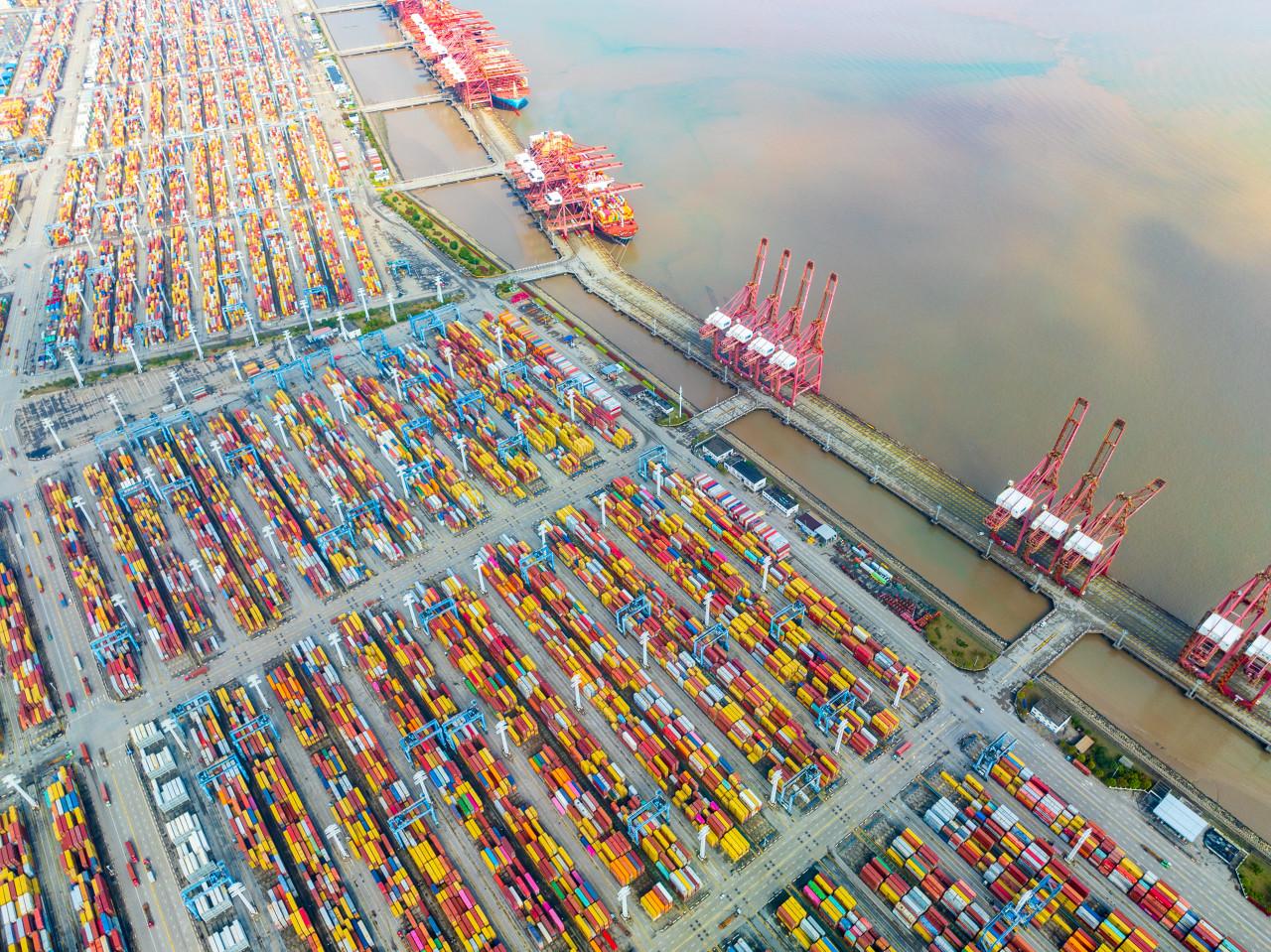
Recent developments include the revocation of certain U.S. AD/CVD measures, temporary restrictions on special cargo during Japan’s holiday period, and continued disruption to vessel turnaround caused by global port congestion. For shipments involving the United States, Japan or major container ports, companies should monitor the applicable scope of trade remedy orders, special-cargo receiving requirements and actual vessel schedules, and plan shipment timing accordingly. Hanyue International will continue to monitor global trade policy and shipping developments and provide customers with timely logistics updates and transportation solutions. For the latest information or customized logistics solutions, please contact our customer service team.