
Contact Us
181 2883 6688
sunny.lin@hanyueint.com
2501,Block A,Building 3,Hengmingwan Chuanghui Center,Longcheng Street,Longgang District,Shenzhen
Recent developments indicate changes in U.S. import patterns and market expectations surrounding U.S.-China trade. Driven by factors such as uncertainty over tariff policies, some U.S. importers continue to advance the timing of holiday merchandise imports. According to data released by the Port of Los Angeles, the port handled approximately 2.9 million TEU from June to August, marking the highest three-month container throughput in its history, with 955,907 TEU handled in August alone.
Meanwhile, the latest survey by the American Chamber of Commerce in Shanghai shows that U.S. companies operating in China have become significantly more optimistic about their five-year business outlook. However, the improvement in business expectations mainly reflects changes in the current operating environment and market sentiment, and does not mean that future U.S.-China trade relations or tariff policies have been fully determined. As of September 10, neither side has announced any new tariff rates on Chinese imports.
For companies planning U.S.-bound shipments in the near term, changes in import timing, tariff policies and future market demand remain important factors to monitor.
The Port of Los Angeles handled approximately 2.9 million TEU from June to August, setting a new record for the highest three-month container throughput in the port’s history. In August alone, the port processed 955,907 TEU.
Port and retail industry representatives stated that U.S. retailers have significantly moved forward the import schedule for seasonal goods, including Halloween, Thanksgiving, Hanukkah and Christmas merchandise. One key consideration is that some importers aim to complete holiday goods imports earlier to reduce cost uncertainty caused by potential future tariff policy changes, while also mitigating the impact of higher shipping fuel costs related to the Iran war.
The National Retail Federation noted that U.S. import logistics have also been affected by factors including severe weather in parts of China and route adjustments. At present, tariffs, inflation and rising fuel prices have not significantly weakened consumer demand.
For exporters, front-loaded shipments mean that part of the traditional peak-season cargo volume is moving earlier. However, it should be noted that a temporary record in port throughput does not necessarily indicate that U.S. import demand will continue to strengthen in the future. Early stocking may simply shift part of the traditional peak-season cargo forward, and exporters should not rely solely on current port throughput data to judge future market demand.
Companies with U.S.-bound shipments, overseas warehouse replenishment needs or holiday-related orders should monitor capacity availability, vessel schedules and freight rates based on actual customer purchasing patterns, rather than relying only on traditional peak-season timelines.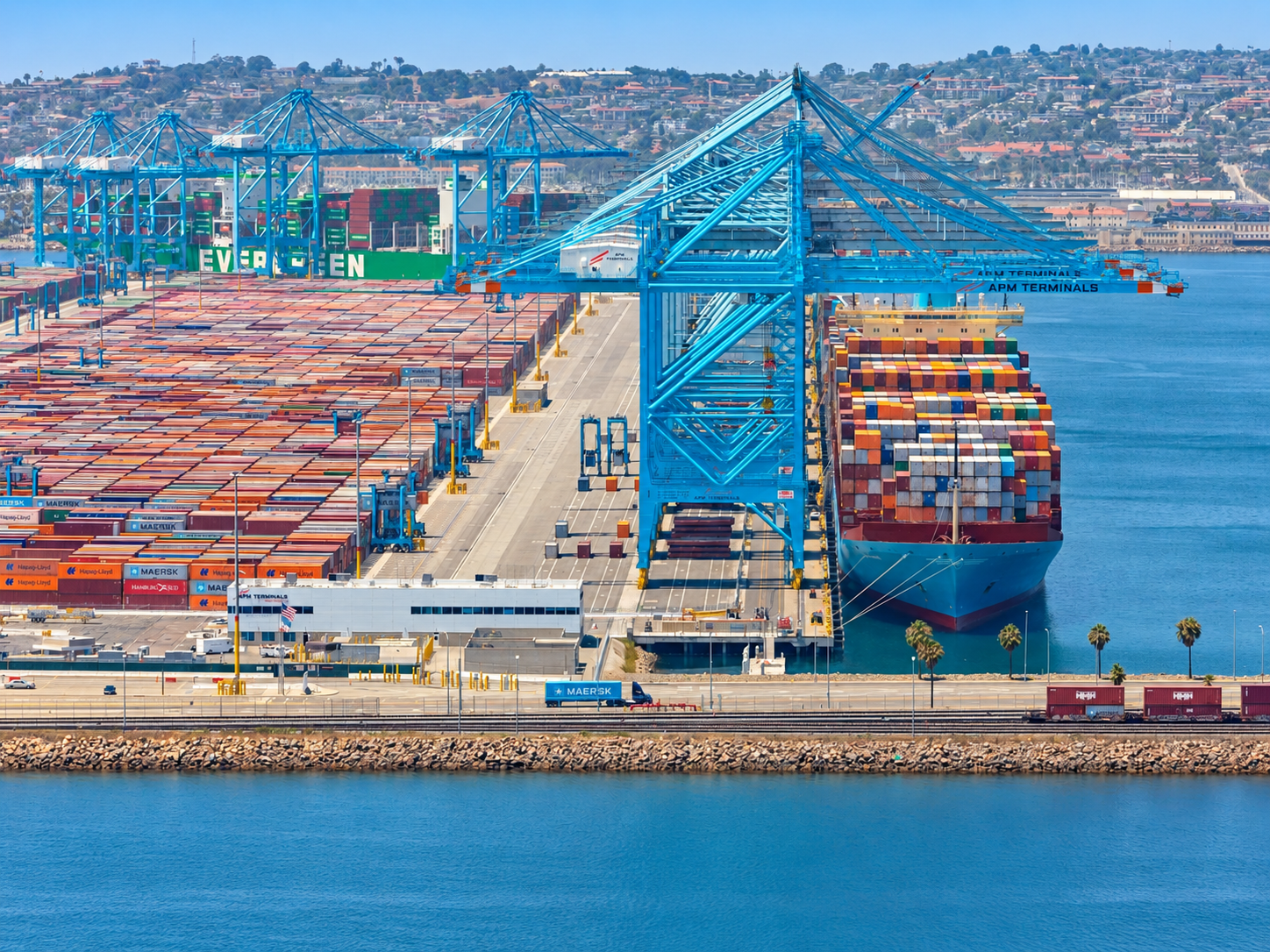
According to the 2026 China Business Report released by the American Chamber of Commerce in Shanghai, 58% of surveyed U.S. companies expressed optimism about their business outlook in China over the next five years, an increase of 17 percentage points compared with the previous year.
In terms of investment, 28% of surveyed companies increased investment in China in 2025, while 31% plan to increase investment in 2026. Only 14% indicated plans to reduce investment.
The report noted that the previous U.S.-China trade truce, including the suspension of further tariff increases and escalation of other trade restrictions, was an important factor supporting the improvement in business confidence. However, companies continue to closely monitor the future direction of U.S.-China trade relations and related policy developments.
It is important to note that, as of September 10, neither China nor the United States has announced new tariff rates on Chinese imports. Therefore, the improvement in business confidence reflects changes in market expectations, but should not be interpreted as a new substantive adjustment to U.S.-China tariff policy.
For exporters serving the U.S. market, companies should pay attention both to changes in order and logistics patterns resulting from U.S. importers’ early stocking activities and to future tariff policies and their actual effective dates. Market expectations should not be treated as confirmed policy when making quotations or shipment arrangements.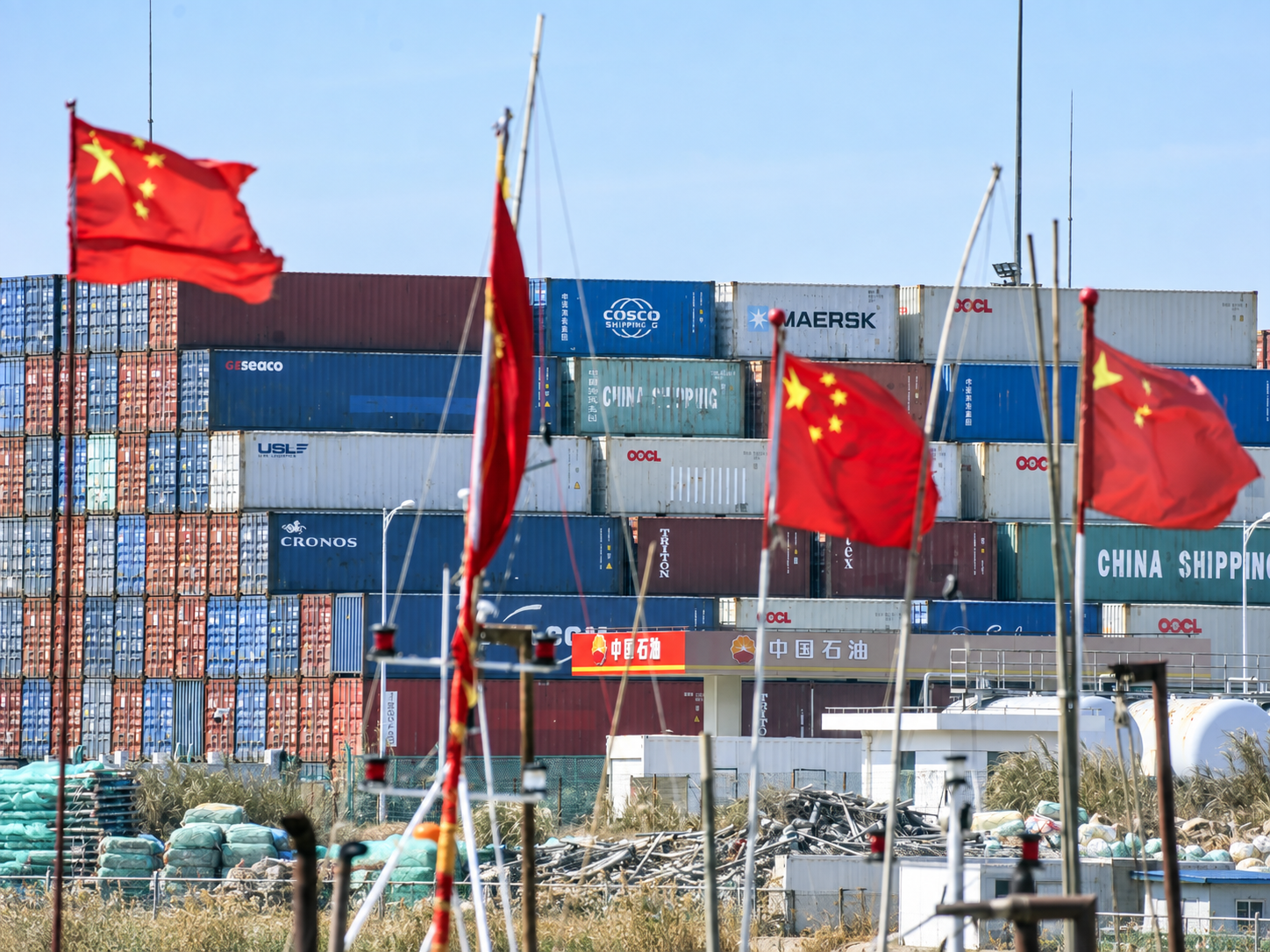
Recently, early stocking by U.S. importers has contributed to higher cargo volumes at the Port of Los Angeles, while confidence among U.S. companies operating in China has also improved. However, uncertainty remains regarding future U.S.-China trade relations and tariff policies. Companies with upcoming U.S.-bound shipments should monitor actual import trends, vessel schedules and policy developments, and arrange shipments accordingly. Hanyue International will continue to monitor global trade policies and shipping market developments, providing customers with timely logistics updates and transportation solutions. For the latest information or customized solutions, please contact our customer service team.