
Contact Us
181 2883 6688
sunny.lin@hanyueint.com
2501,Block A,Building 3,Hengmingwan Chuanghui Center,Longcheng Street,Longgang District,Shenzhen
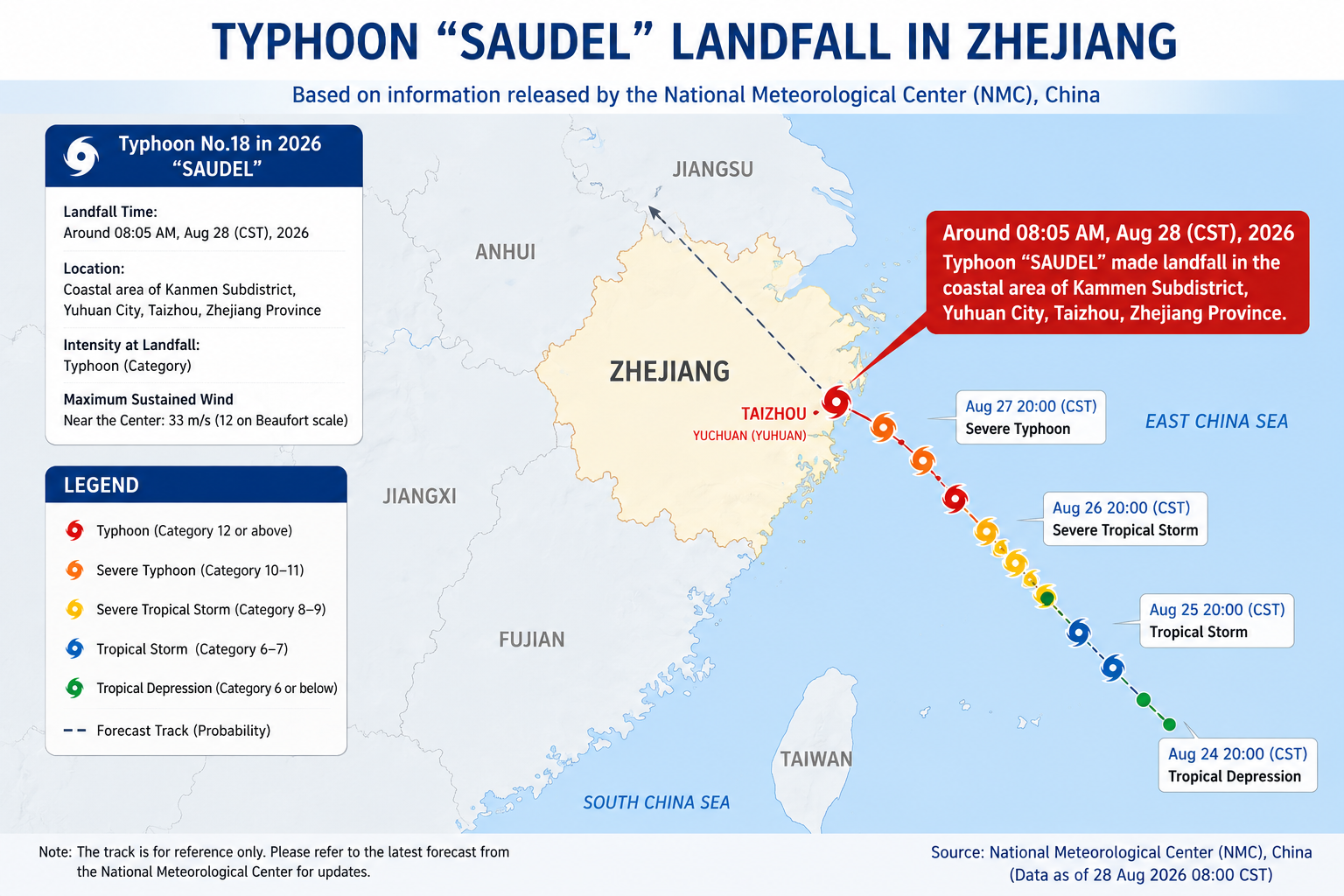
On the morning of August 28, Typhoon Saudel made landfall in Taizhou, Zhejiang Province, bringing the risk of heavy rainfall to Zhejiang and neighboring Fujian. Ahead of the landfall, Ningbo Port had already suspended operations, while terminals in Shanghai, including Yangshan and Waigaoqiao, subsequently introduced typhoon-related operational adjustments. Recent severe weather has also prompted schedule changes on individual carrier services.
For companies with near-term shipments moving through Shanghai, Ningbo, or surrounding areas in Zhejiang, it is advisable to closely monitor the resumption of terminal operations, container gate-in/gate-out arrangements, trucking conditions, and changes to actual ETD/ETA schedules. As operating arrangements vary by port area, terminal, and individual sailing, the latest notices issued by ports, terminal operators, and shipping lines should remain the primary reference.
According to Reuters on August 28, citing China’s National Meteorological Center, Typhoon Saudel made landfall in Taizhou, Zhejiang Province, at 8:05 a.m. on August 28. The National Meteorological Center had issued a red typhoon warning, with heavy rainfall expected across Zhejiang and neighboring Fujian.
Strong winds and heavy rainfall associated with the typhoon may affect transportation and logistics operations in coastal areas. For companies with upcoming shipments from Zhejiang, Fujian, and surrounding regions, attention should be paid not only to weather developments but also to local road transportation conditions, port-area operations, and cargo gate-in arrangements at the actual point of shipment.
The degree of disruption currently varies by location. Actual transportation conditions should therefore be assessed based on the latest local meteorological, traffic, and port information.
 02 Ningbo and Some Shanghai Terminals Adjust Operations; Subsequent Vessel Schedules Remain Under Watch
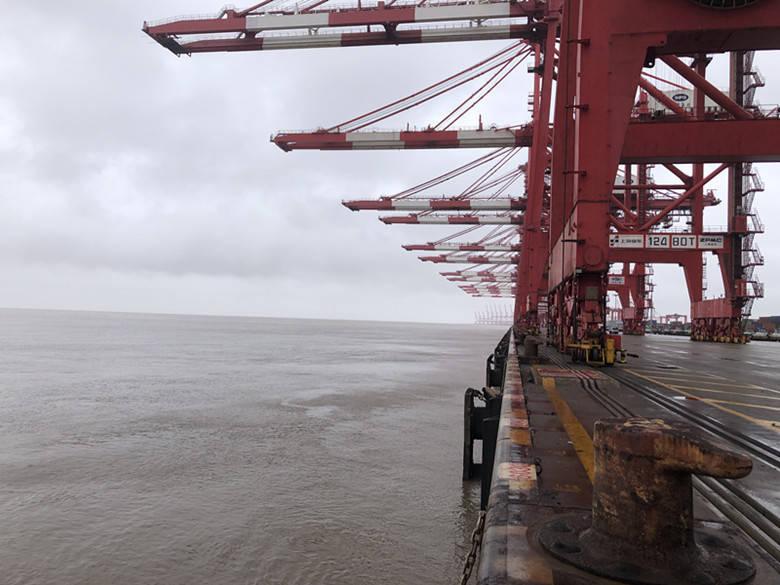
Kuehne+Nagel stated in an update on August 27 that Shanghai’s Yangshan terminals suspended empty-container operations from 4:00 a.m. that day, followed by a suspension of all operations from 6:00 a.m. Waigaoqiao terminals suspended empty-container operations from 2:00 p.m. These measures formed part of the typhoon-preparedness arrangements in effect at the time, and any subsequent resumption of operations remains subject to the latest notices from the Port of Shanghai and the relevant terminal operators.
A trade alert subsequently issued by Inter-Sped on August 27 indicated that some Shanghai terminals had introduced temporary suspensions of empty-container handling. Specifically, empty-container pickup and return operations at Shanghai Yangshan terminals were suspended from 4:00 a.m. to 6:00 a.m. on August 27, while empty-container pickup and return operations at Shanghai Waigaoqiao terminals were suspended from 2:00 p.m. on August 27. At the time the notice was issued, the resumption time for Waigaoqiao had not yet been confirmed.
Kuehne+Nagel later updated on August 27 that Ningbo’s typhoon emergency response had been raised to Level I, while Shanghai’s had been raised to Level II. Ningbo port terminals remained suspended, while Ningbo container depots and warehouses also suspended operations from 6:00 a.m. and 2:00 p.m. respectively that day. Yangshan and Waigaoqiao terminals in Shanghai also introduced phased suspensions of certain operations. As these conditions may continue to change as the typhoon passes, the current operating status should be confirmed against the latest notices from the relevant ports and terminals.
At the same time, recent severe weather has already resulted in adjustments to individual sailings. Maersk stated in a notice issued on August 24 that, due to recent adverse weather affecting regional schedules, DELOS WAVE 630N on the Northern Star service would omit its Shanghai call in order to mitigate the impact on subsequent schedule integrity. Cargo originally scheduled for discharge in Shanghai was reassigned to alternative transportation arrangements.
For companies with upcoming shipments from Shanghai, Ningbo, and surrounding areas of Zhejiang, it is advisable to monitor the timing of terminal reopening, container pickup and return arrangements, trucking conditions, and actual ETD/ETA changes based on each individual booking. Port operations and vessel schedules following the passage of the typhoon will depend on the pace of actual recovery. At this stage, it would be premature to conclude that widespread port congestion or extensive vessel delays will necessarily occur.
Typhoon Saudel has now made landfall in Zhejiang, while Ningbo and some Shanghai terminals had already introduced varying levels of typhoon-related operational adjustments. Recent severe weather has also resulted in changes to individual vessel schedules. For companies shipping from East China in the near term, continued attention should be paid to terminal reopening times, container gate-in/gate-out arrangements, trucking conditions, and actual vessel schedules. At present, it would be premature to conclude that Shanghai or Ningbo ports will experience widespread or prolonged congestion.
Hanyue International will continue to closely monitor the latest updates from ports, meteorological authorities, and shipping lines, providing clients with timely logistics information and transportation-solution references. For information on specific routes or customized logistics solutions, please contact our customer service team.