
Contact Us
181 2883 6688
sunny.lin@hanyueint.com
2501,Block A,Building 3,Hengmingwan Chuanghui Center,Longcheng Street,Longgang District,Shenzhen
Against the backdrop of profound adjustments in the global trade landscape, the European supply chain is undergoing a double-pressure test - a combination of institutional friction and physical blockages, which is reshaping the operational logic of regional trade. The British government and the European Union are accelerating the trade facilitation negotiations, with the focus being on reducing supply chain friction caused by the cumulative effect of tariffs through rule alignment and simplification of customs procedures. It is evident that in a high-tariff environment, non-tariff measures are becoming an important tool for buffering trade costs.
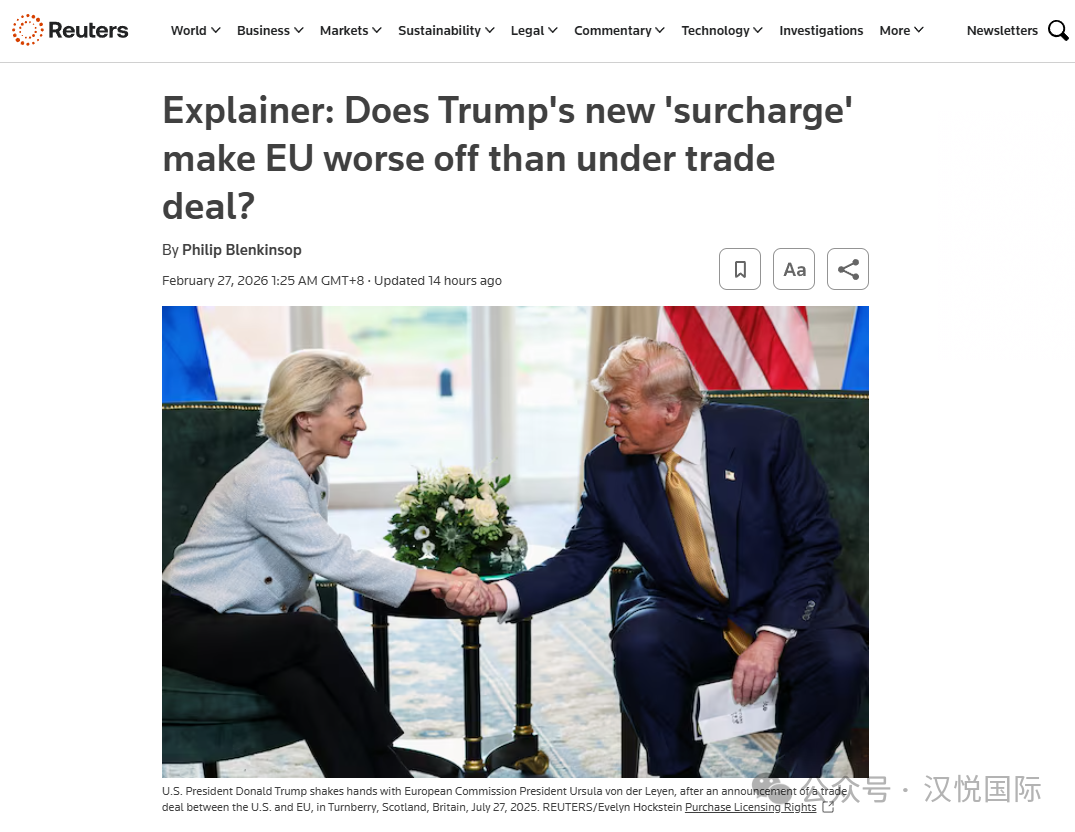
I. Institutional Buffer: Acceleration of Trade Facilitation Negotiations between the UK and the EU
The "post-tariff management" phase following Brexit has entered a deep-water zone of practical implementation. Both sides are shifting their negotiation focus from tariffs themselves to rule alignment and simplification of customs procedures - this is a typical "behind-the-border" governance strategy. The core logic lies in: when tariff barriers are difficult to reduce, by lowering compliance costs and time costs, part of the price impact can be offset. This reveals an important shift in contemporary trade policies: non-tariff measures are transforming from the role of "barriers" to that of "lubricants", but their effectiveness highly depends on the extent of the transfer of regulatory sovereignty and the technical alignment ability at the implementation level.
II. Physical Obstruction: The Spreading Effect of the Delayed Impact of Port Strikes
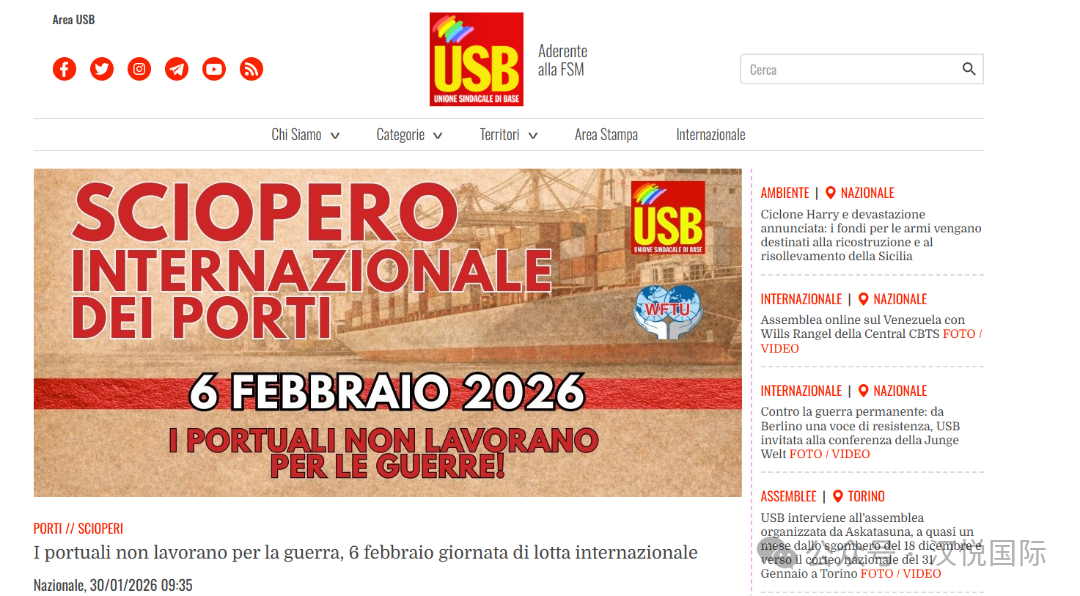
In contrast to the gradual adjustments at the institutional level, the European logistics network is currently digesting the subsequent impact of the joint operation of Mediterranean ports in early February. Although the 24-hour simultaneous shutdown of 21 ports was not a sustained strike, its coordination and geographical coverage caused a structural disturbance to the liner shipping routes. The current situation of "no new strikes but the disturbance persists" highlights the rigid nature of the maritime supply chain - there is a significant lag inertia in vessel scheduling, container circulation, and inland collection and distribution transportation recovery.
After Brexit, the UK has established an independent customs system with relatively high transparency of rules. Compared to the frequent use of tariff tools by the United States, the trade policy volatility of the UK is significantly lower. In an uncertain environment, "stability" itself is a competitive advantage. Han Yue International will closely monitor policy developments and simultaneously make preparations for alternative markets and backup supply chains to maintain flexibility. Optimize market layout, preset alternative solutions, so that shippers can maintain elasticity and resilience in the face of fluctuations. If you need the latest information or customized response plans, please contact our customer service.